SAFETY INFORMATION
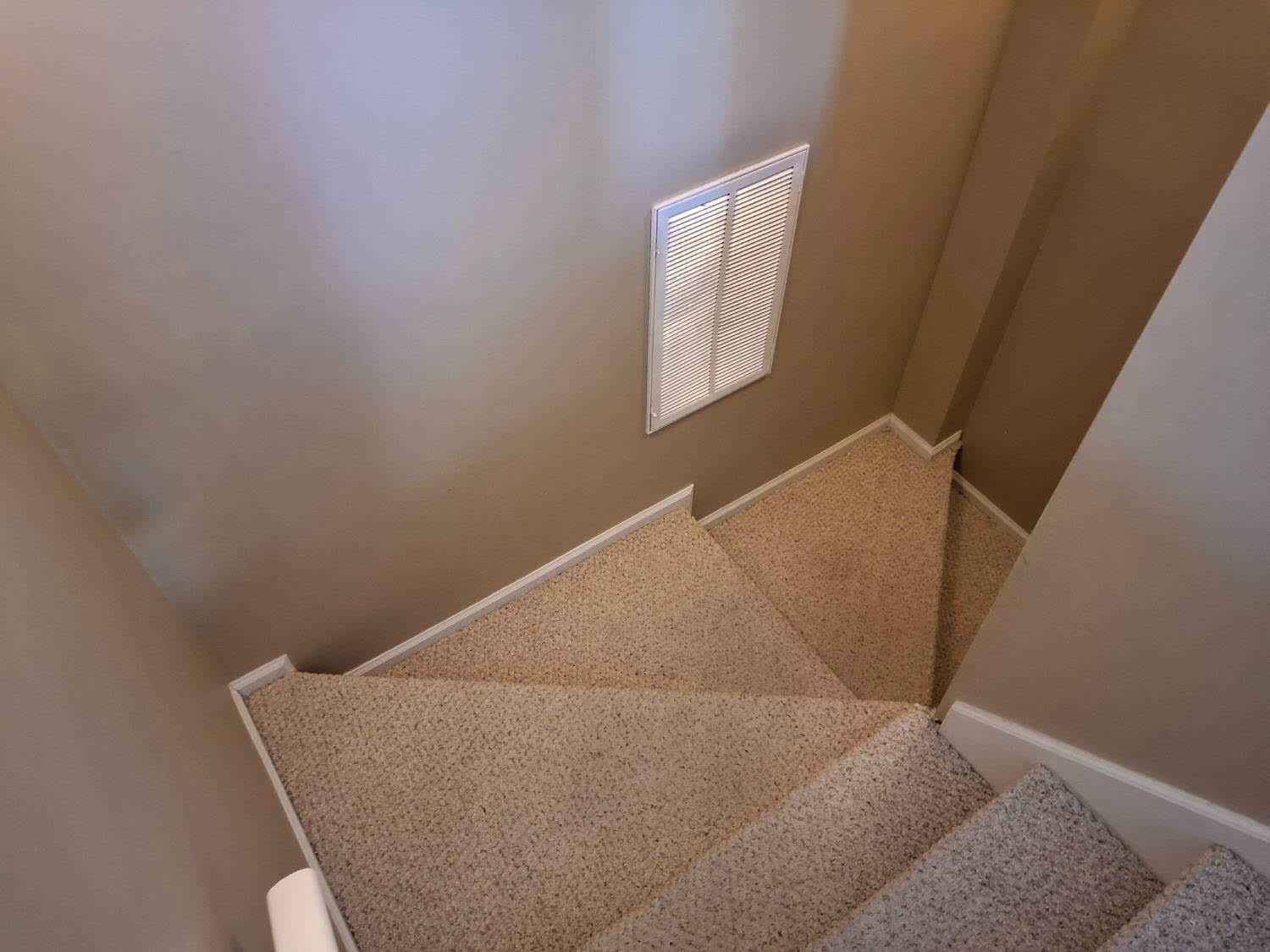
During a recent review of common safety concerns found in residential properties, I noted how often stairways lack a properly continuous handrail. While a staircase may appear functional, breaks in the railing, gaps at landings, or railings that stop short of the top or bottom steps create a significant safety concern—especially in homes with children, older adults, or anyone with limited mobility. A continuous railing provides a stable, uninterrupted surface to grasp, allowing a person to maintain balance throughout the entire stair run.
Why Continuous Railings Matter 🪜 A continuous handrail is more than a design preference. It helps prevent:
• Loss of balance when ascending or descending stairs
• Falls caused by gaps or breaks in the railing
• Difficulty navigating stairs while carrying items
• Increased risk for children, elderly occupants, or guests unfamiliar with the home
Without a continuous railing, a person may be forced to release their grip mid‑stair, increasing the likelihood of slips or falls. Ensuring the railing runs the full length of the staircase—and remains graspable the entire way—is a simple but highly effective way to improve safety.
🚪 What Homeowners Should Know. A proper handrail should be secure, graspable, and continuous from the bottom step to the top, including around turns or landings. If your stairs have railings that stop early, are segmented, or are difficult to grip, they may not meet modern safety standards and could pose a preventable hazard.
📞 Protect Your Home Stair. Safety issues don’t resolve themselves. If you’ve noticed loose, incomplete, or non‑continuous railings in your home, consider having them evaluated and upgraded. Addressing these concerns early can significantly reduce fall risks and help keep your home safe and accessible.