GENERAL INFORMATION
STRUCTURAL INFORMATION
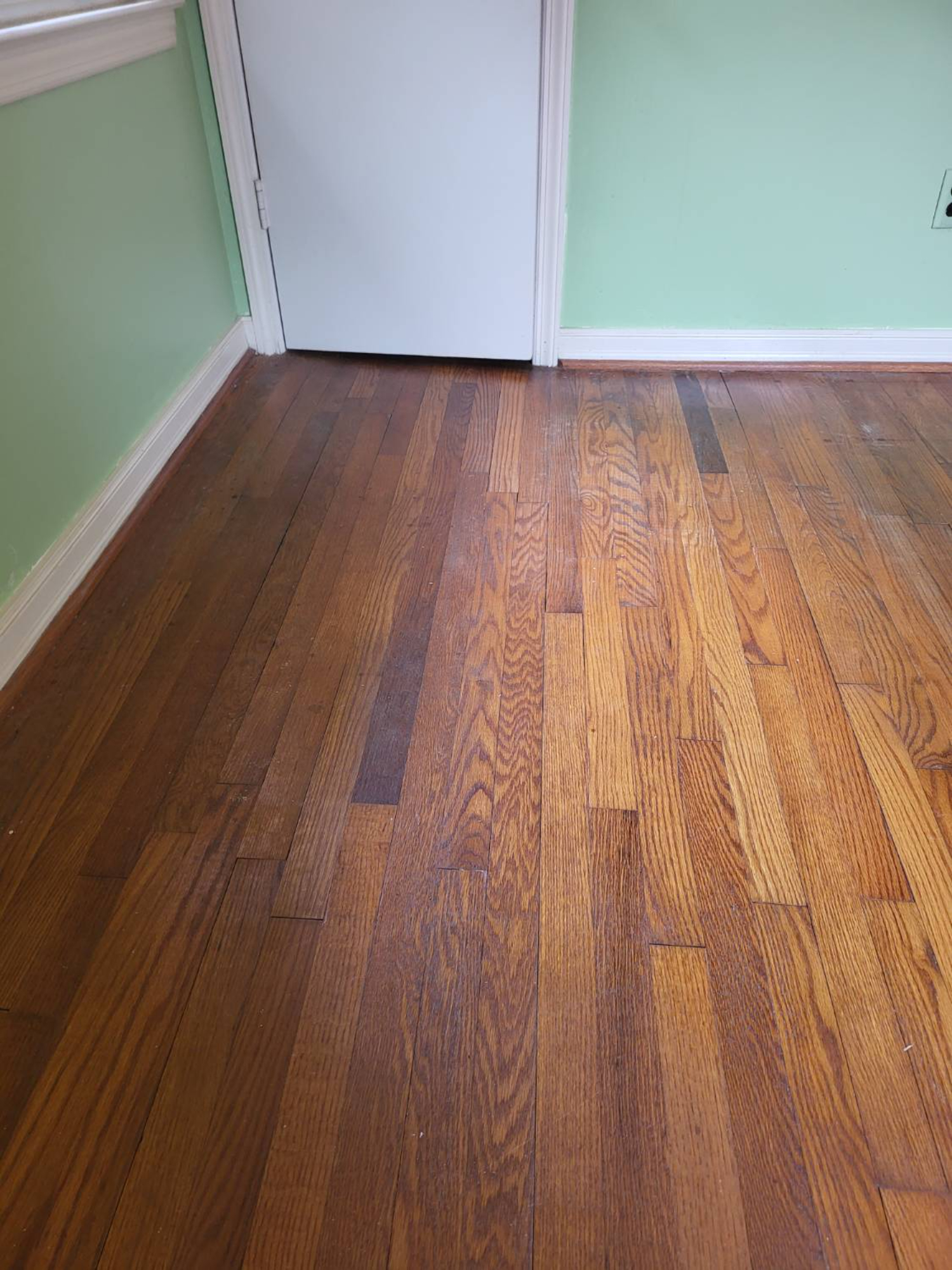
During a recent inspection of a home built in 1965, I identified noticeable sagging in the master bedroom floor. While the hardwood surface appeared intact, subtle dips and uneven transitions revealed underlying structural concerns.
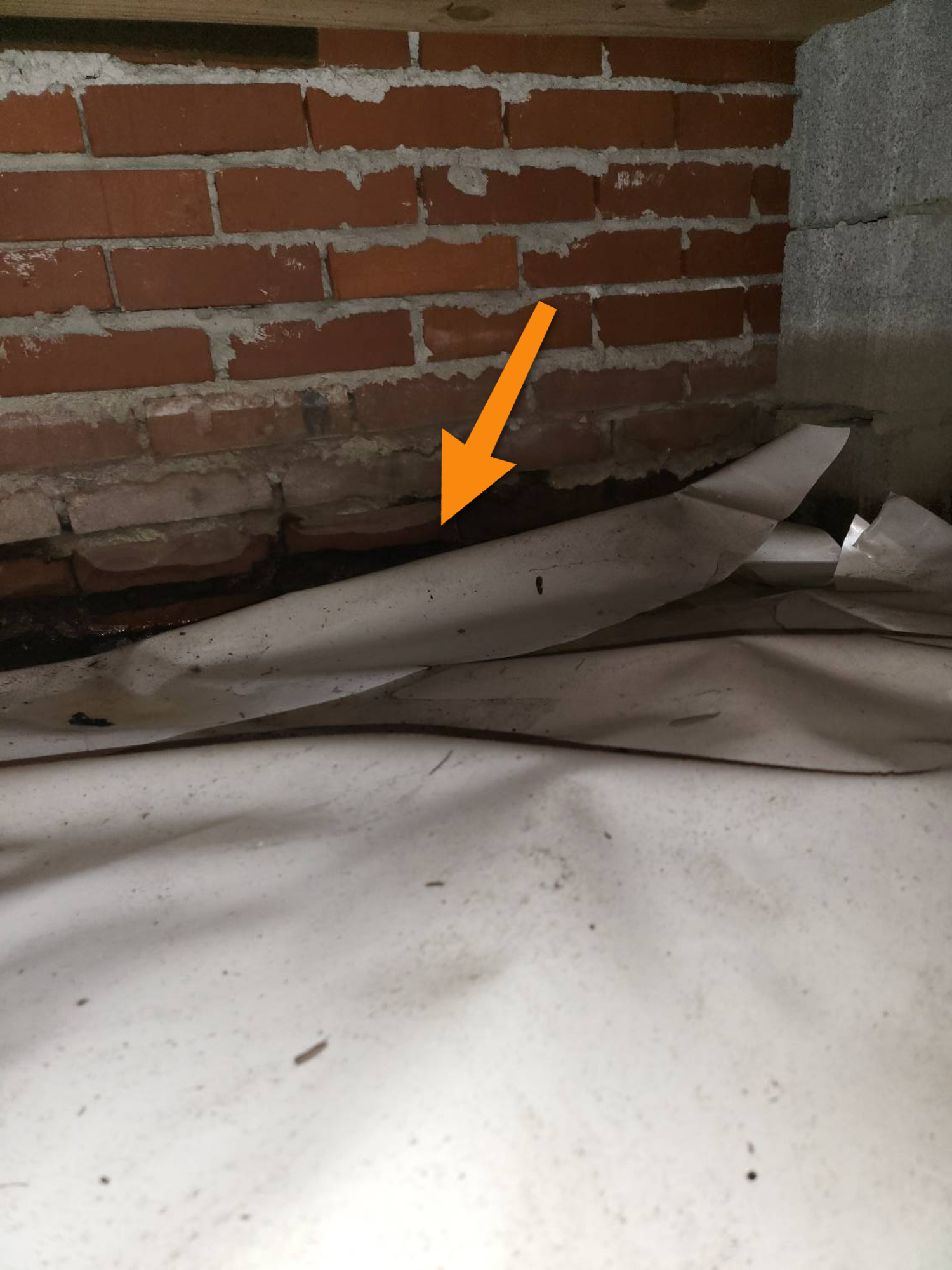
Upon further evaluation in the crawlspace, I found that several floor joists had begun to deflect due to age and moisture exposure. In addition, some support piers had shifted over time, reducing their ability to carry the load of the bedroom area. In homes of this era, it’s common to encounter undersized framing members and limited moisture protection, which can accelerate deterioration in high-use spaces like bedrooms.
Why Sagging Bedroom Floors Matter
🔍 Sagging floors in sleeping areas are more than cosmetic. They can indicate:
- Joist deflection or undersizing
- Moisture damage to subflooring or framing
- Settlement or shifting of foundation supports
- Termite or microbial damage to wood members
🚪 Doorway Misalignment and Cracking
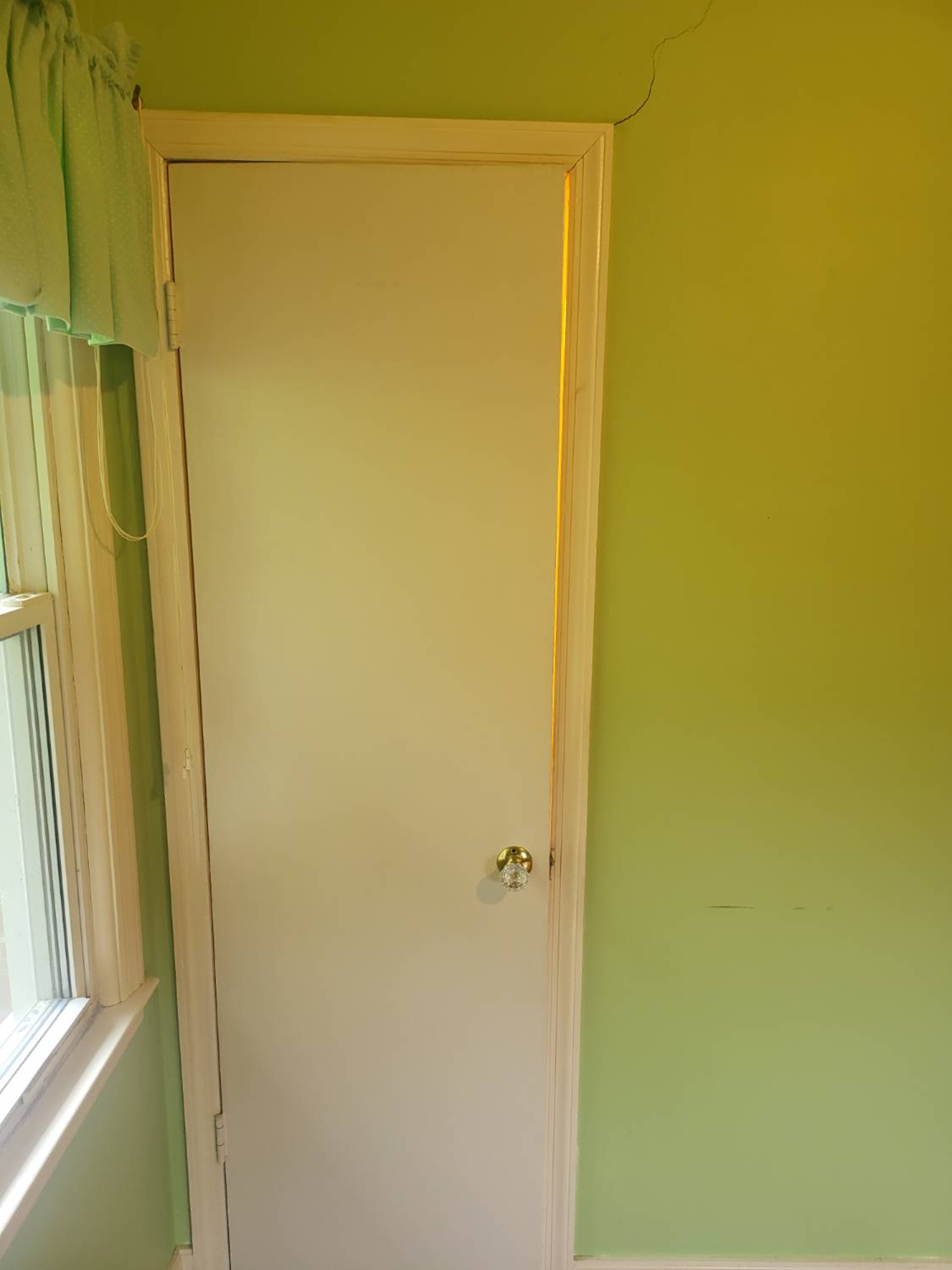
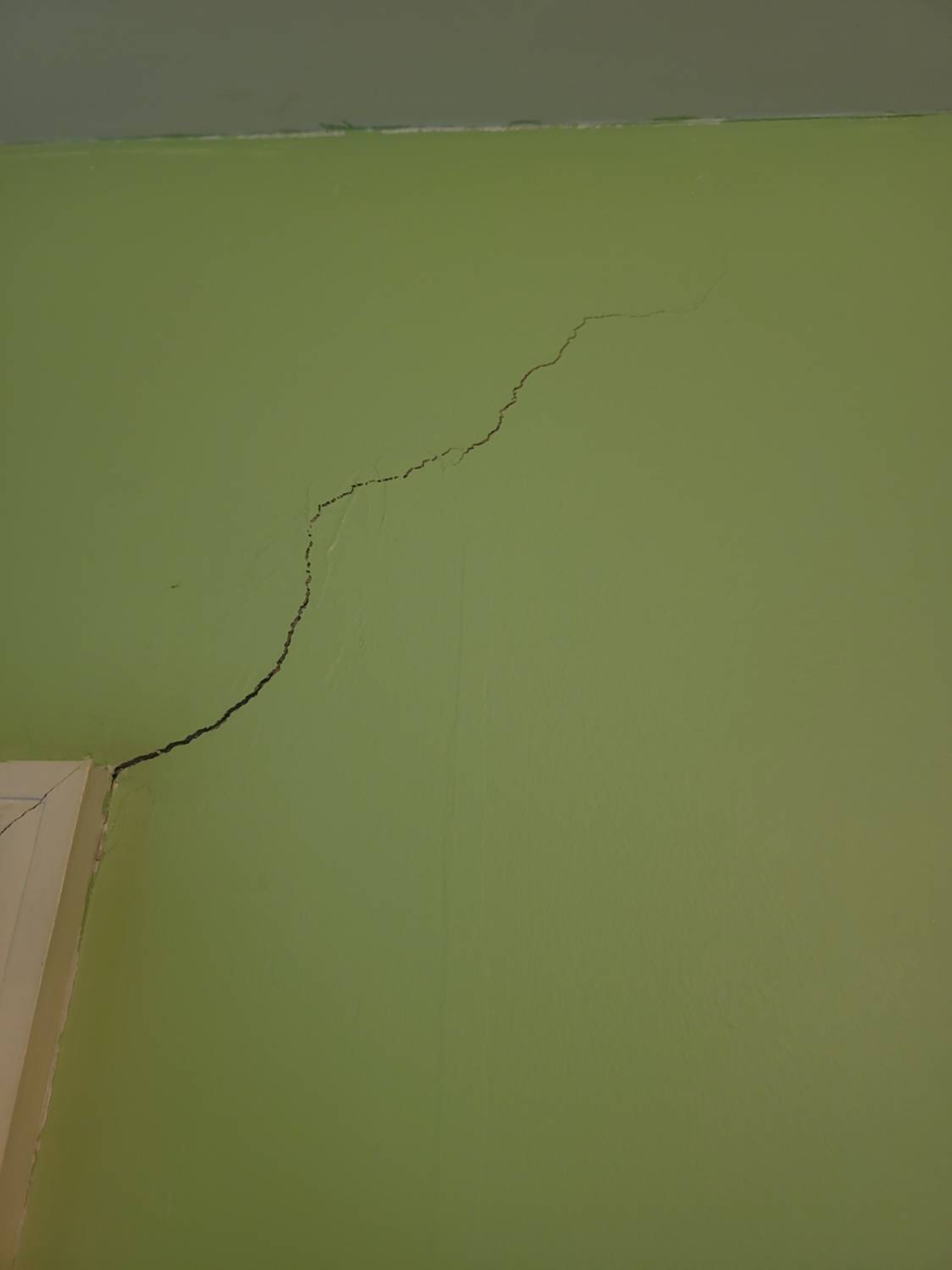
In addition to the sagging floors, I observed a doorway that would not close properly, with excessive cracking above the frame. This condition often indicates structural movement or settlement within the framing or foundation. Cracks above doorways are common stress points where shifting loads reveal themselves, and difficulty closing the door suggests frame distortion.
I recommended evaluation by a licensed contractor or structural engineer to determine the cause of settlement or movement and perform corrective repairs as needed.
✅ What Homeowners Should Know
If your bedroom floor feels uneven or your doors no longer close properly — especially when paired with cracking above frames — these are often early warning signs of structural stress. Early detection and repair protect your home’s safety, comfort, and long-term value.
📞 Protect Your Home
Structural issues don’t fix themselves. If you’ve noticed sagging floors, sticking doors, or cracks above doorways, schedule a professional inspection today. Identifying problems early can save thousands in repairs and ensure your home remains safe and secure.
ELECTRICAL INFORMATION
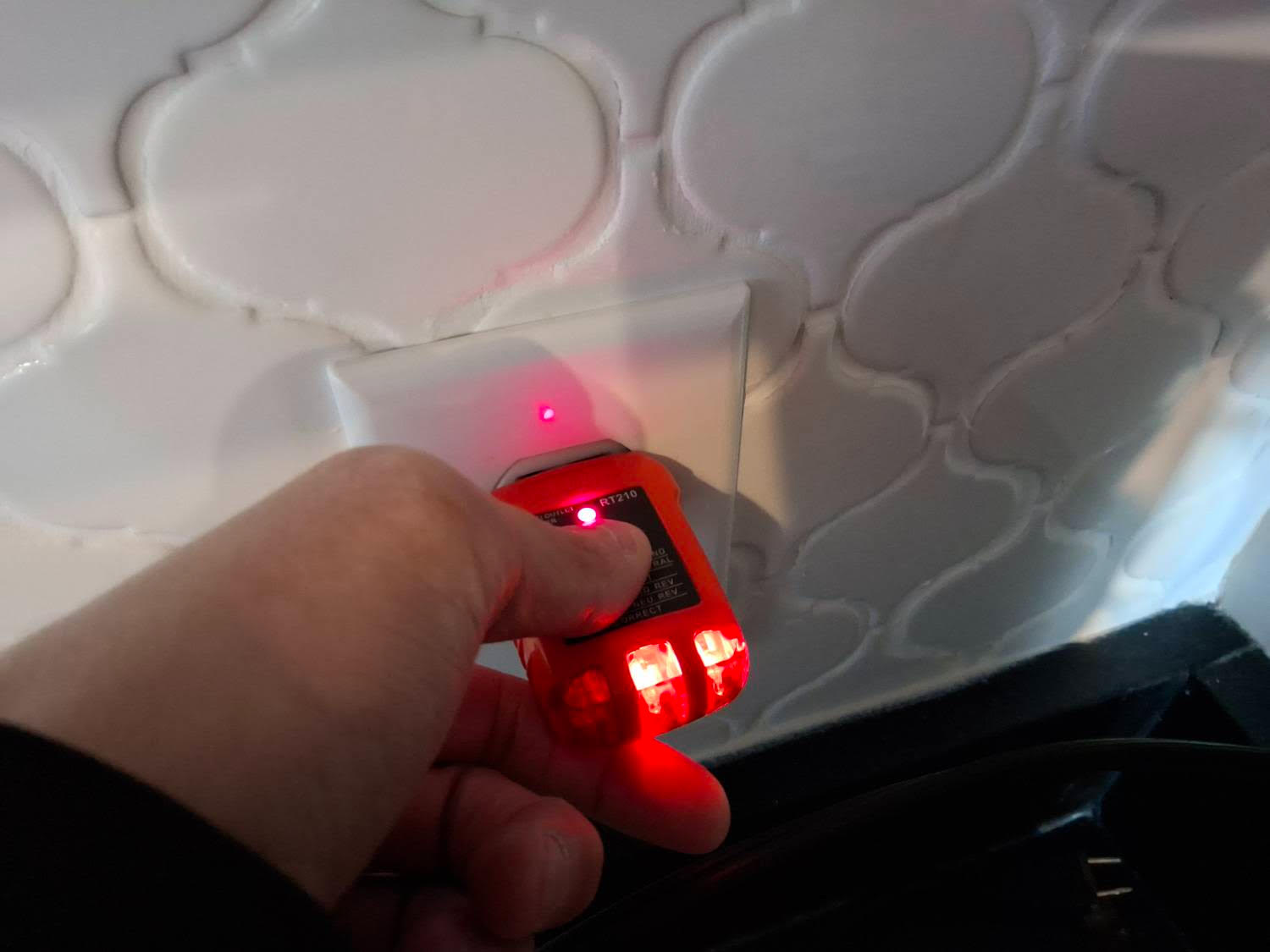
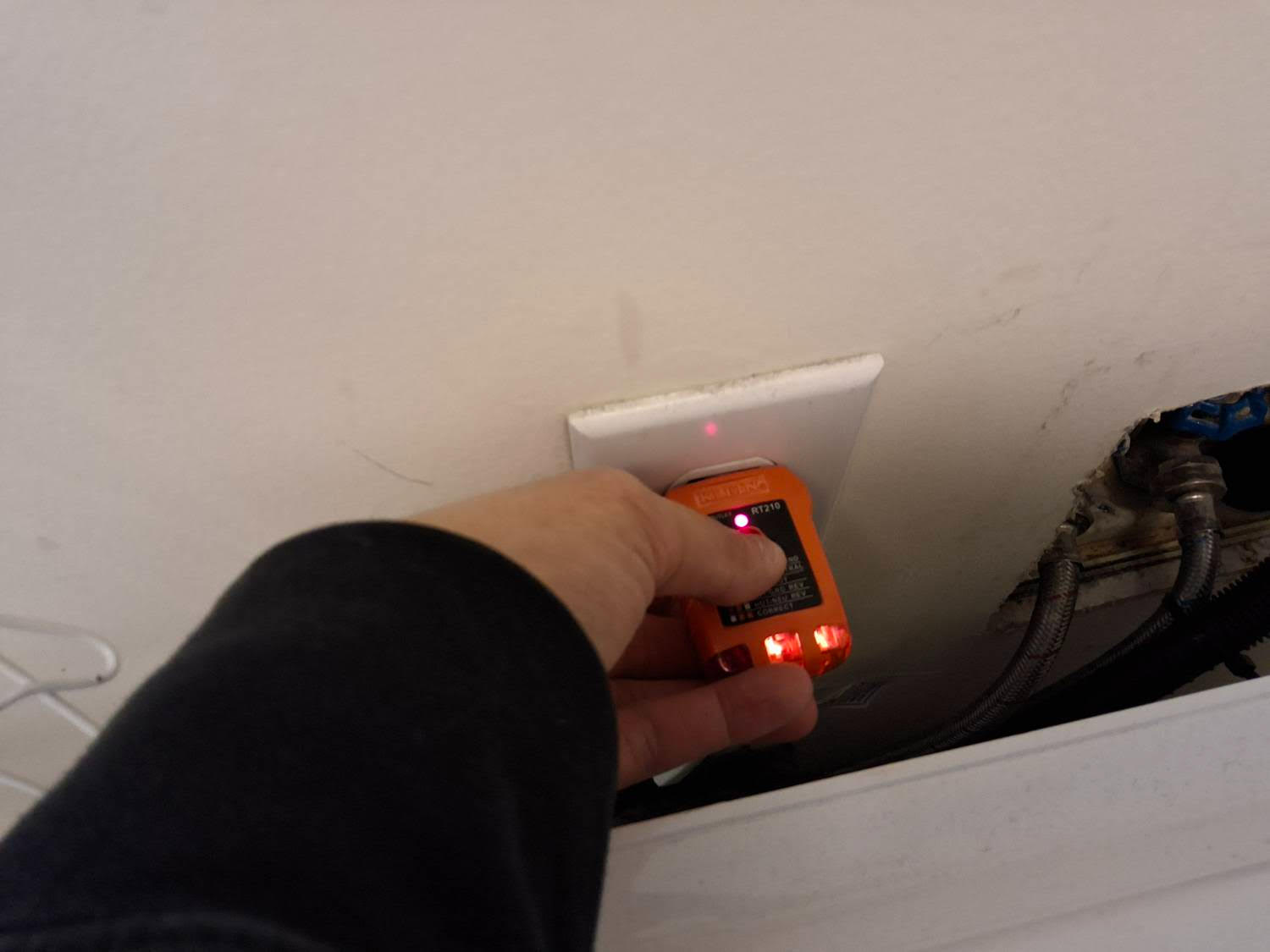
During a recent inspection, I identified two outlets—one in the kitchen and one in the laundry room—that were not GFCI‑protected. While the outlets appeared functional, their locations near sinks and moisture sources revealed an important electrical safety concern. In homes of any age, but especially older properties, it’s common to find standard outlets still in use in areas where modern safety standards now require GFCI protection to reduce the risk of electrical shock.
Why GFCI Protection Matters 🔌 GFCI protection in moisture‑prone areas is more than a code requirement. It helps prevent:
• Electrical shock from appliances used near water
• Faults caused by damaged cords or aging wiring
• Increased risk in rooms with sinks, humidity, or wet surfaces
• Shock hazards for occupants who may not realize the danger of unprotected outlets
Left unaddressed, missing GFCI protection can expose homeowners to preventable electrical hazards. In this case, I recommended upgrading the kitchen and laundry room outlets to GFCI‑protected receptacles to improve safety and bring the home closer to modern electrical standards.
🚪 What Homeowners Should Know If you notice outlets near sinks, laundry equipment, or exterior areas that do not have “Test” and “Reset” buttons—or do not trip when tested—your home may lack proper GFCI protection. These devices are designed to shut off power within milliseconds during a ground fault, making them one of the simplest and most effective safety upgrades available.
📞 Protect Your Home. Electrical safety issues don’t resolve themselves. If you’ve noticed unprotected outlets in kitchens, bathrooms, laundry rooms, garages, or exterior areas, schedule a professional inspection. Identifying and correcting missing GFCI protection early can significantly reduce shock hazards and help keep your home safe and compliant.
SAFETY INFORMATION
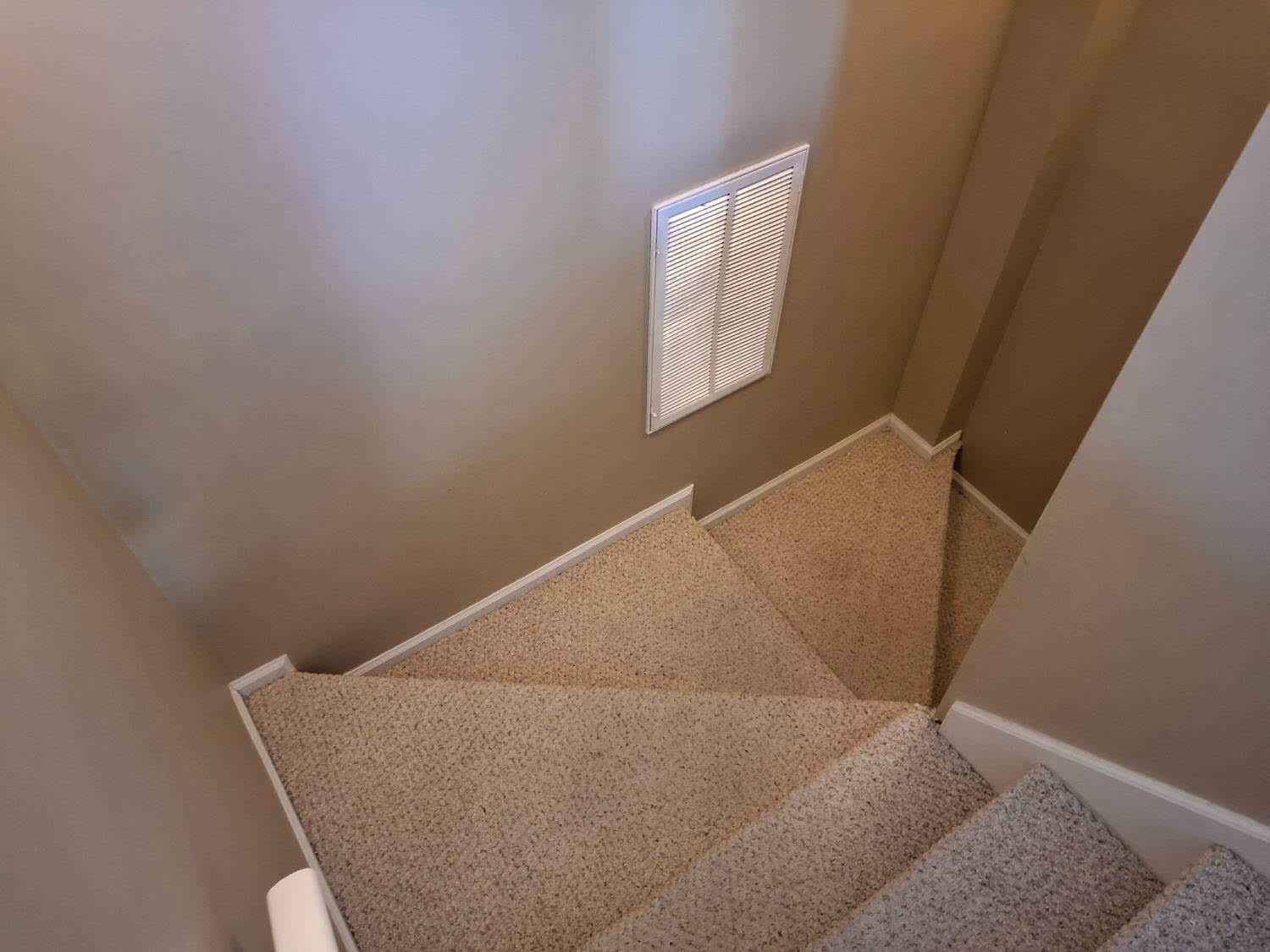
During a recent review of common safety concerns found in residential properties, I noted how often stairways lack a properly continuous handrail. While a staircase may appear functional, breaks in the railing, gaps at landings, or railings that stop short of the top or bottom steps create a significant safety concern—especially in homes with children, older adults, or anyone with limited mobility. A continuous railing provides a stable, uninterrupted surface to grasp, allowing a person to maintain balance throughout the entire stair run.
Why Continuous Railings Matter 🪜 A continuous handrail is more than a design preference. It helps prevent:
• Loss of balance when ascending or descending stairs
• Falls caused by gaps or breaks in the railing
• Difficulty navigating stairs while carrying items
• Increased risk for children, elderly occupants, or guests unfamiliar with the home
Without a continuous railing, a person may be forced to release their grip mid‑stair, increasing the likelihood of slips or falls. Ensuring the railing runs the full length of the staircase—and remains graspable the entire way—is a simple but highly effective way to improve safety.
🚪 What Homeowners Should Know. A proper handrail should be secure, graspable, and continuous from the bottom step to the top, including around turns or landings. If your stairs have railings that stop early, are segmented, or are difficult to grip, they may not meet modern safety standards and could pose a preventable hazard.
📞 Protect Your Home Stair. Safety issues don’t resolve themselves. If you’ve noticed loose, incomplete, or non‑continuous railings in your home, consider having them evaluated and upgraded. Addressing these concerns early can significantly reduce fall risks and help keep your home safe and accessible.